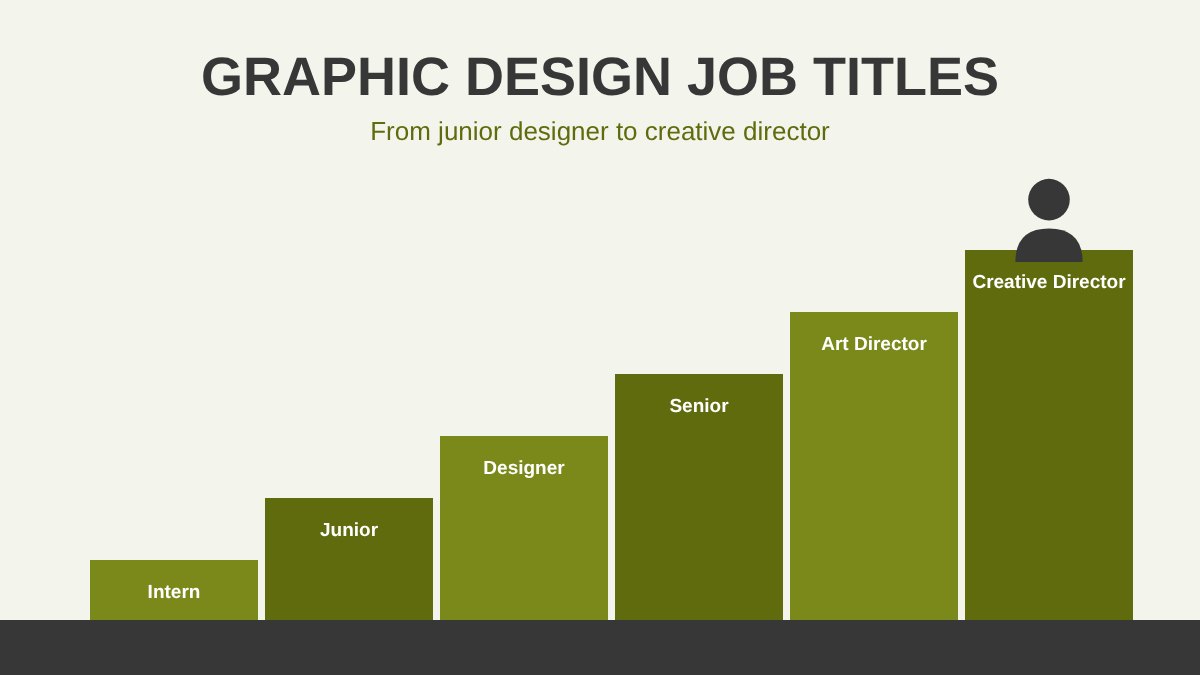
One Field, Many Paths
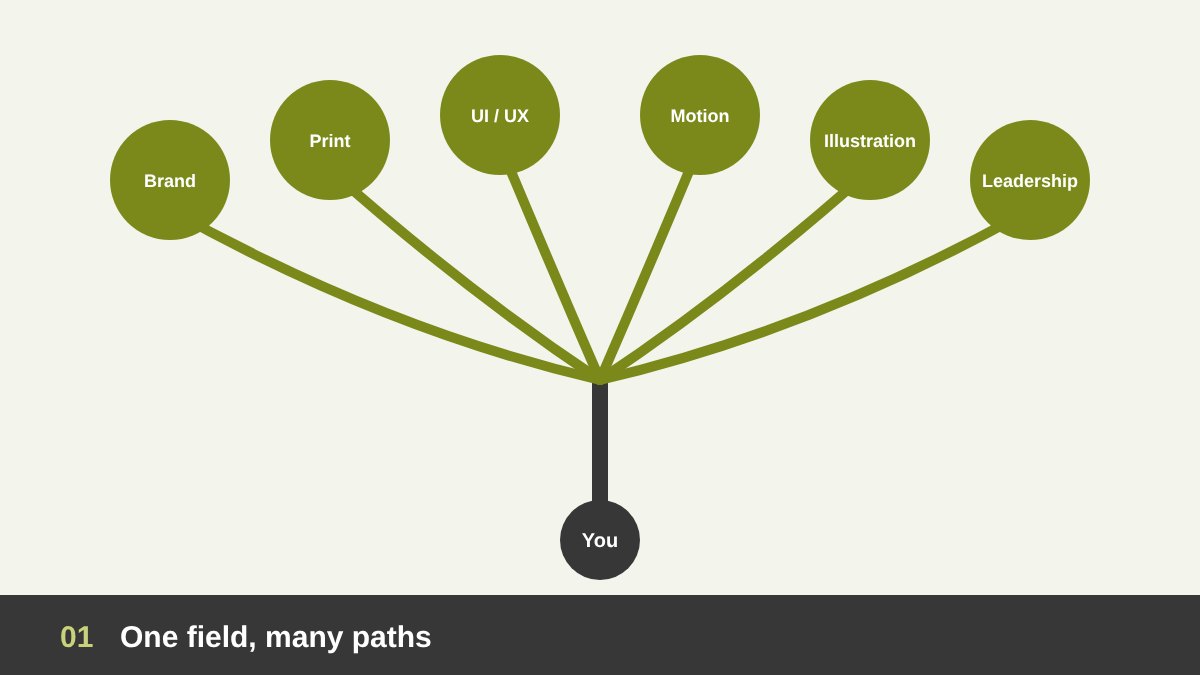
When people hear “graphic designer” they often imagine one job, but the field is really a tree with many branches. Two people with the same title can spend their days doing completely different work: one builds brand identities, another designs app screens, a third animates titles for television. Job titles in design also differ from one company to another, so a “senior designer” in a small agency may do the work of an art director in a big one. Understanding the common titles, what each role really does and how they connect helps you plan your career, write a better CV, and hire the right person when you are the one building a team. In this article I walk through the ladder from the first job to the top, and through the main specialisms along the way.
Design Intern and Junior Graphic Designer
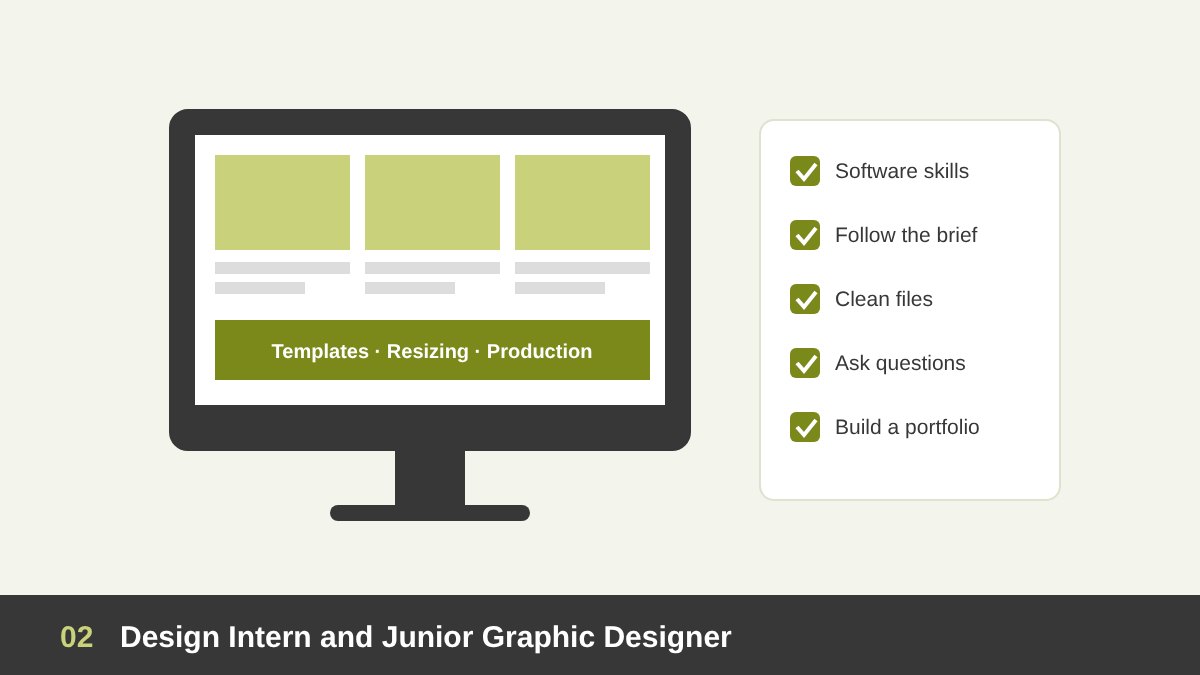
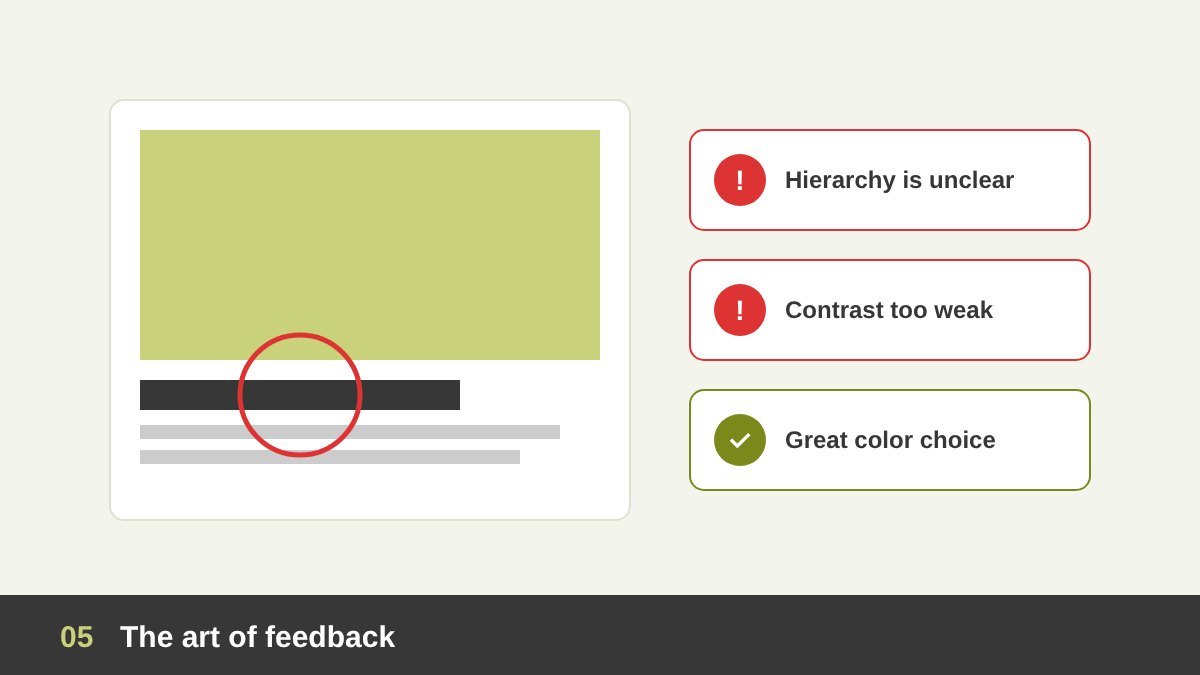
Everyone starts here. A design intern or junior graphic designer usually has zero to two years of experience and works under the direction of a senior designer or art director. The daily work is practical: adapting existing designs to new sizes, preparing social media posts from templates, retouching photos, setting text, and getting files ready for print or web. It can feel like production more than creation, but this is where you learn speed, accuracy and the discipline of clean files. The most important skills at this level are mastering the software (Photoshop, Illustrator, InDesign, Figma), following a brief carefully, asking questions early, accepting feedback without taking it personally, and building a portfolio that shows real projects, not only student work.
Graphic Designer
After two to four years, a designer is trusted to take a project from the brief to the final file with less supervision. A mid-level graphic designer creates original concepts, not just adaptations: posters, brochures, campaign visuals, social media designs, presentations and simple brand elements. They are expected to present two or three directions, explain the thinking behind them and handle client revisions. This is the stage where a designer develops a personal eye for typography, color and composition, and starts to notice which kind of work they enjoy most. Many designers stay at this level for years and build excellent careers, especially in in-house teams where they become the go-to person for a brand.
Senior Graphic Designer
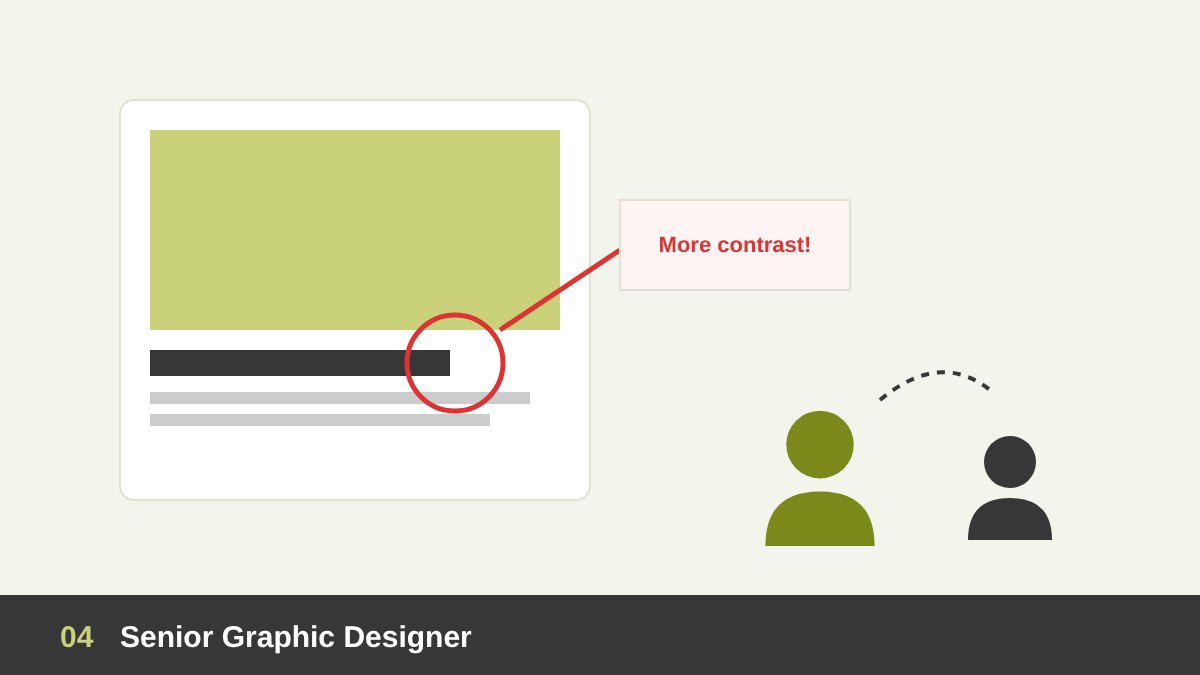
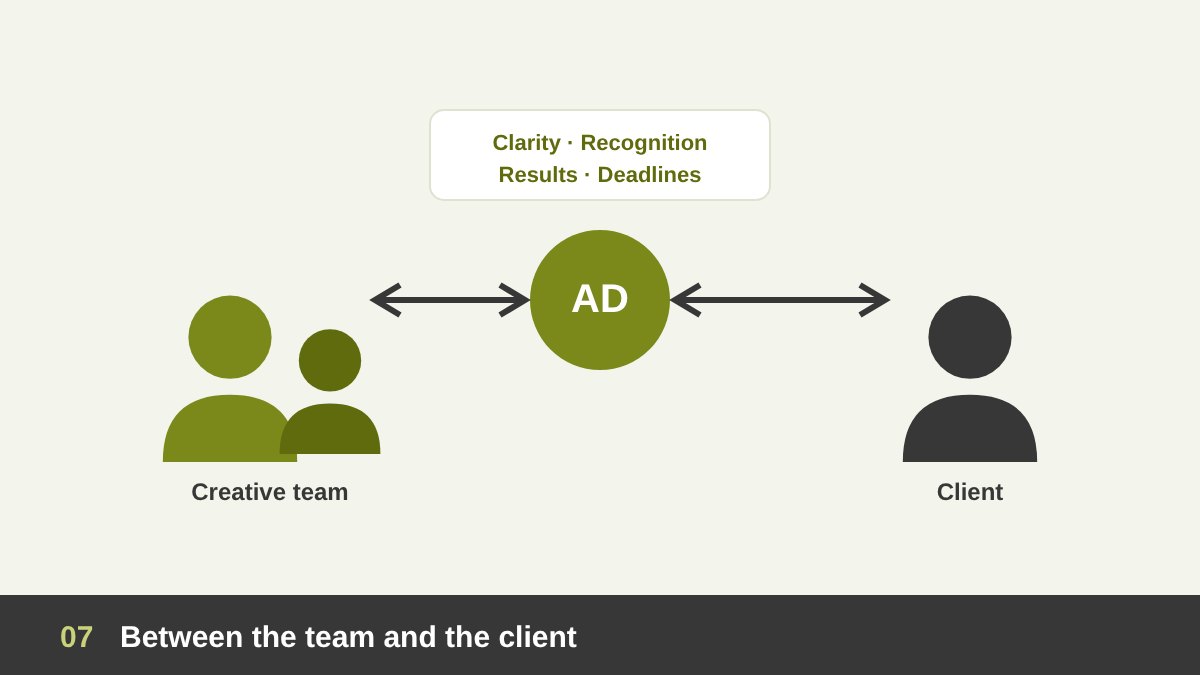
A senior graphic designer, usually with five or more years of experience, is defined less by software skill and more by judgment. Seniors lead bigger and more complex projects, solve design problems independently, keep consistency across many pieces of a campaign, and know how to balance creativity with deadlines and budgets. They also begin to lead people: reviewing the work of juniors, giving clear feedback, and teaching the team better methods. In many studios the senior designer is the bridge between the art director’s vision and the hands that execute it. If you enjoy this mentoring side, it is the first sign that a leadership path may suit you.
Brand and Visual Identity Designer

One of the most respected specialisms is brand identity design. A brand designer creates the visual system of a company: the logo, color palette, typography, patterns, photography style and the brand guidelines book that tells everyone how to use them. The work starts with research into the company, its audience and its competitors, and it ends with a complete toolkit: business cards, letterheads, envelopes, folders, signage and digital templates. Titles in this area include Brand Designer, Identity Designer, Logo Designer and Brand Strategist when the role includes naming and positioning. A good brand designer thinks in systems, not single images, because the identity has to work everywhere for many years.
Print, Layout and Packaging Designer
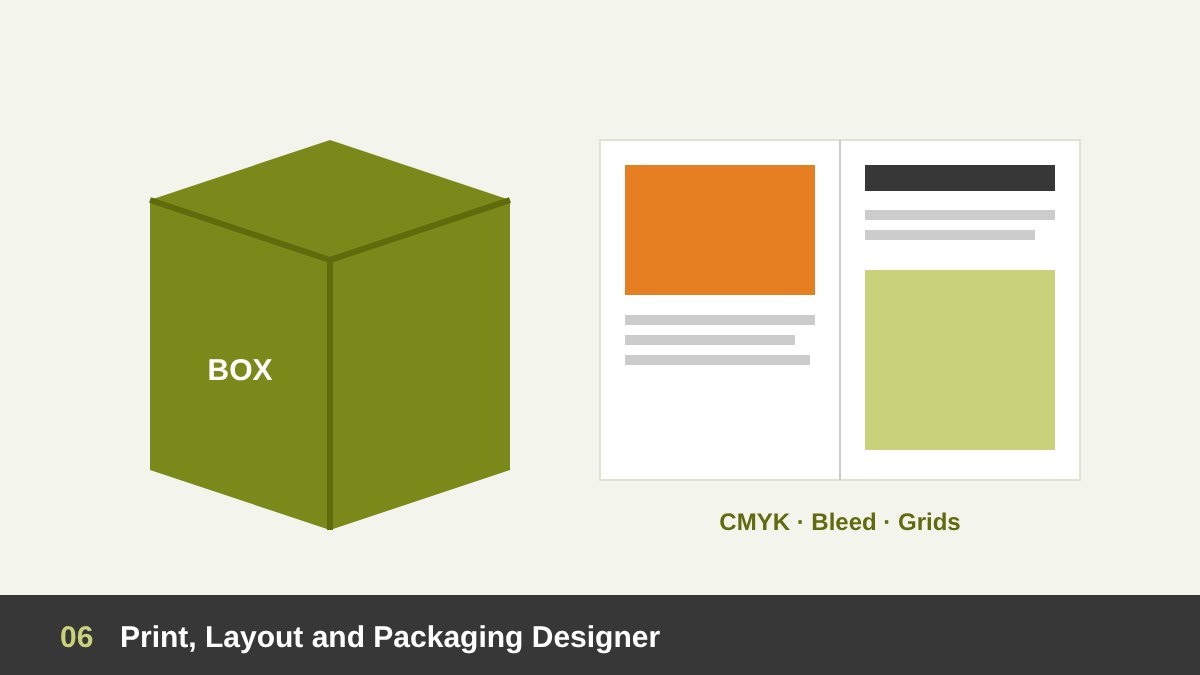
Print is far from dead, and it has its own specialists. A layout or publication designer works on magazines, books, annual reports, catalogs and menus, where grids, hierarchy and long-form typography matter most. A packaging designer creates boxes, labels and bags, which means understanding dielines, materials, folding and how a product looks on a crowded shelf. A prepress or production artist makes sure files are technically perfect for printing: CMYK colors, bleed, resolution, overprint and color proofs. These roles reward patience and precision, and a designer who truly understands print production is always valuable, because mistakes on press are expensive.
UI / UX and Web Designer
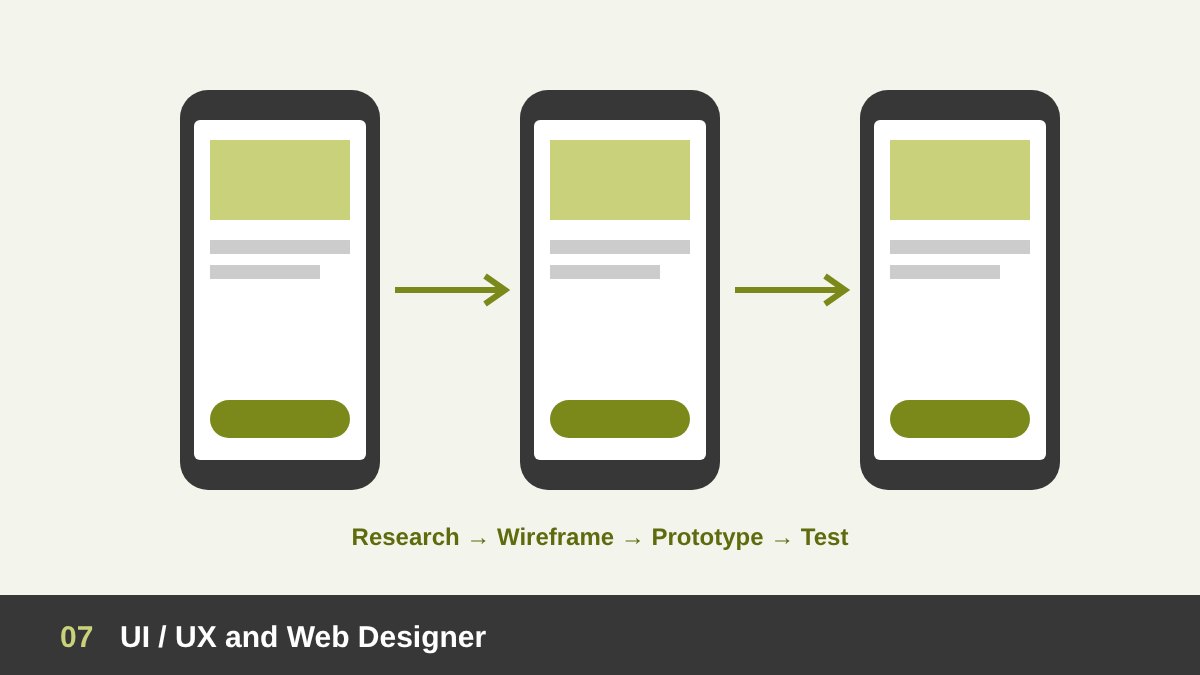
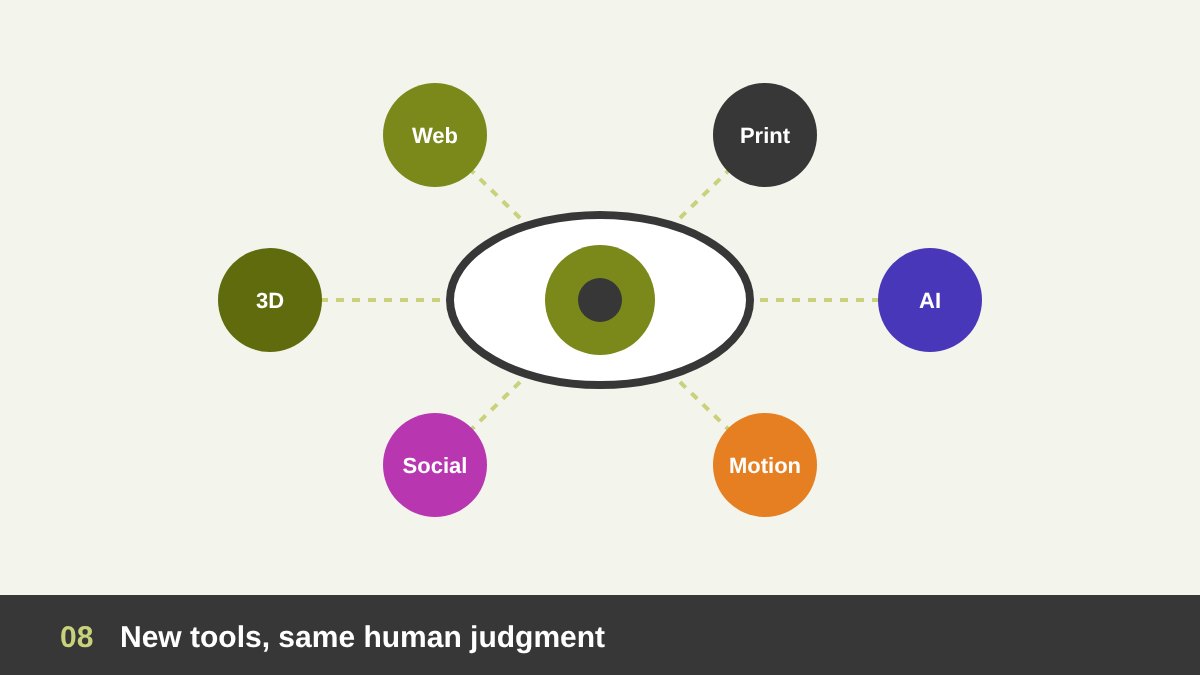
Digital products created a whole family of design titles. A web designer designs websites and landing pages, often with some knowledge of HTML, CSS and platforms like WordPress. A UI (user interface) designer focuses on how screens look: buttons, icons, layouts and design systems for apps and websites. A UX (user experience) designer focuses on how a product works: research, user journeys, wireframes, prototypes and usability testing. In bigger companies you will also find Product Designer, Interaction Designer and UX Researcher. Graphic designers moving into this area need to learn tools like Figma, think about real users and data, and accept that a design is never finished but always improved through testing.
Motion Graphics Designer
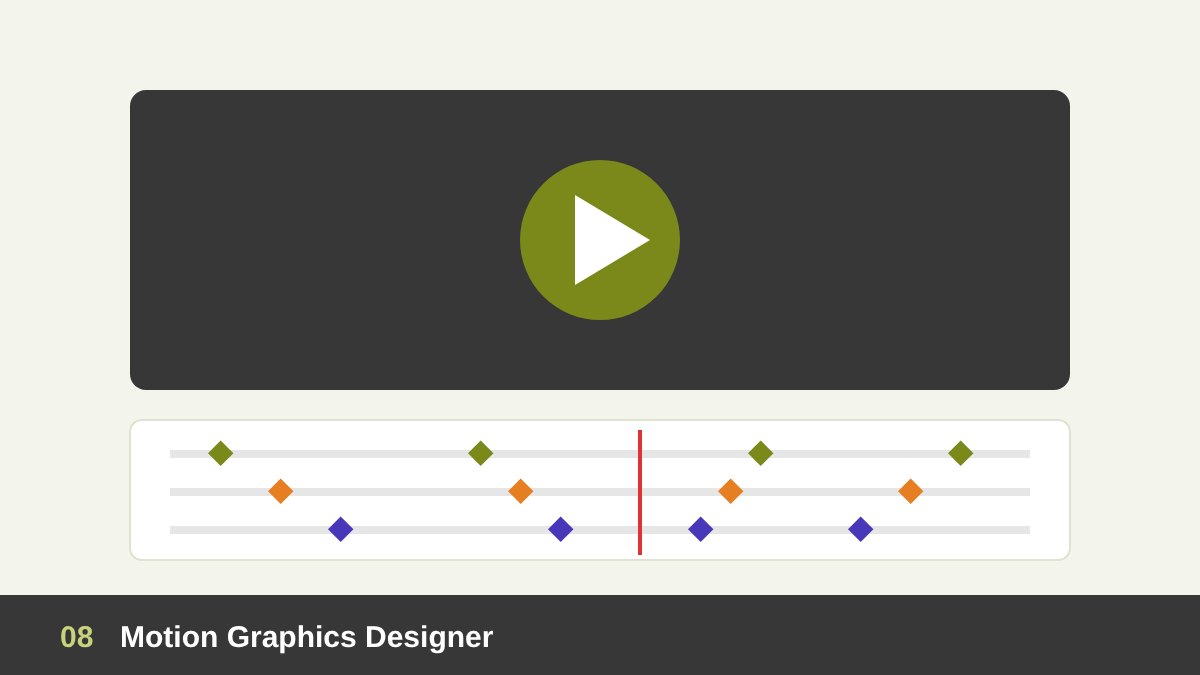
When design starts to move, it becomes motion graphics. A motion designer animates logos, typography, infographics, explainer videos, social media ads, title sequences and broadcast graphics. The usual tools are After Effects, Premiere, Cinema 4D or Blender, and the key skills are timing, rhythm and storytelling, not only good-looking frames. Related titles include Animator, 2D/3D Motion Designer, Video Editor and Broadcast Designer. Because video now dominates social media and advertising, motion designers are in high demand, and a graphic designer who adds animation to their skills can multiply the value of every design they make.
Illustrator and Social Media Designer
Some designers build their careers on drawing. An illustrator creates original images for books, editorials, packaging, advertising and brands, by hand or digitally, and often develops a recognizable personal style. Close to this are the Concept Artist in games and film, the Character Designer, and the Storyboard Artist. On the other side, the Social Media Designer has become a title of its own: someone who creates fast, eye-catching content for Instagram, Facebook, TikTok and LinkedIn, understands each platform’s formats, and works closely with marketing teams on campaigns and performance. Both roles depend on producing a lot of good work quickly while keeping a consistent visual voice.
Lead Designer and Art Director
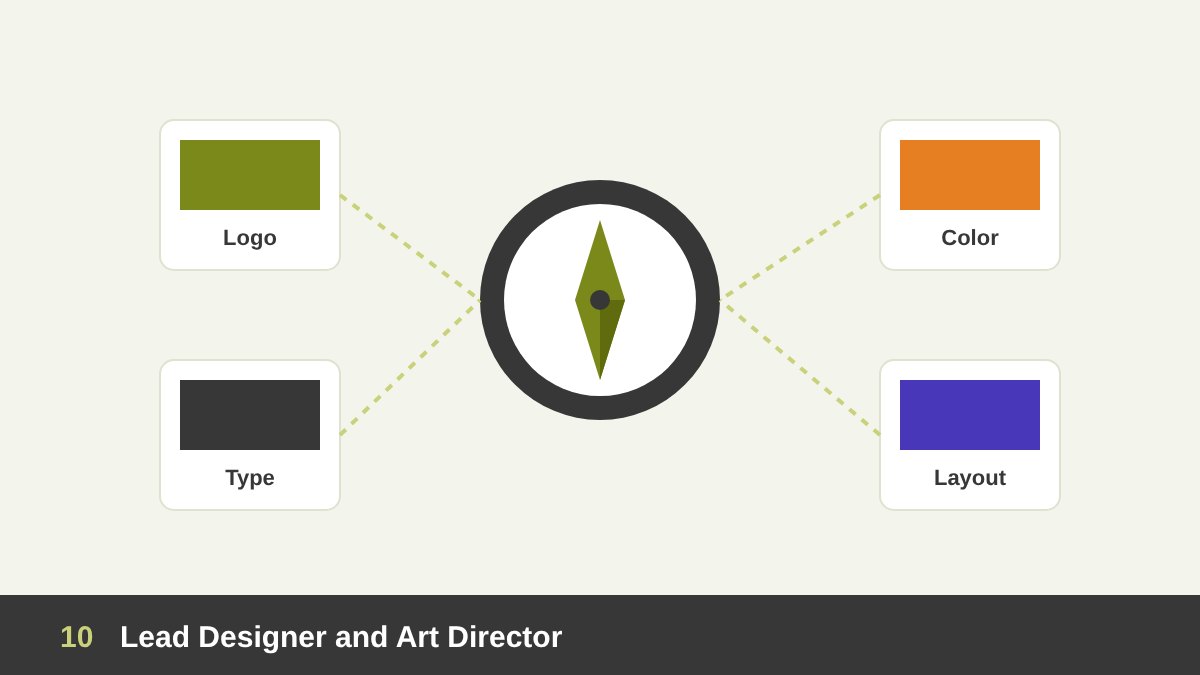
The first real leadership titles are Lead Designer and Art Director. A lead designer is the most experienced designer on a team or project, still designing every day, but also setting standards and organizing the work. An art director owns the visual direction of a brand, campaign or publication: writing the creative direction, choosing styles, guiding designers, photographers and illustrators, and reviewing everything before it reaches the client. The art director spends less time on the computer and more time on concepts, presentations and decisions. It is a role I know well, and the biggest change is that success is measured by the quality of the whole team’s work, not by your own designs.
Creative Director and Head of Design
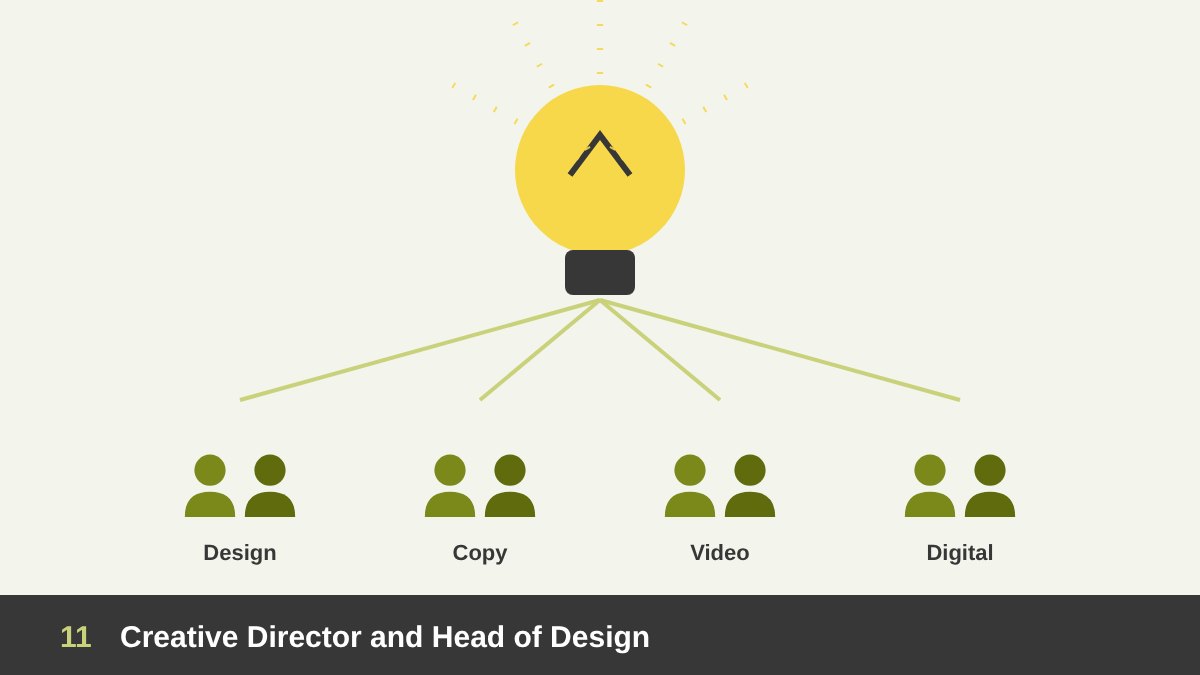
At the top of the ladder are the Creative Director, Design Director and Head of Design. A creative director leads the overall creative vision of an agency or company, across design, copywriting, video and digital, and is responsible for the big ideas behind campaigns. A design director or head of design manages several teams and art directors, sets processes and hiring plans, controls budgets, and represents design in meetings with management and clients. In agencies you may also find Executive Creative Director and Chief Creative Officer. These roles need strong business understanding, communication and leadership as much as design talent, because the job is to create the conditions in which many people can do their best creative work.
Choosing Your Path

There is no single right path up the ladder. Some designers become deep specialists and stay hands-on all their lives as senior brand, motion or UI designers, and they are highly paid for it. Others enjoy people and ideas and move toward art direction and creative leadership. Many build their own freelance practice or studio, where they wear every hat at once, and some, like me, combine practice with teaching and research. Whatever you choose, the principles stay the same: keep learning new tools, build a portfolio that shows thinking and not only results, understand the business side of design, and stay curious. The title on your card will change many times; your eye and your way of solving problems are what really carry your career forward.