

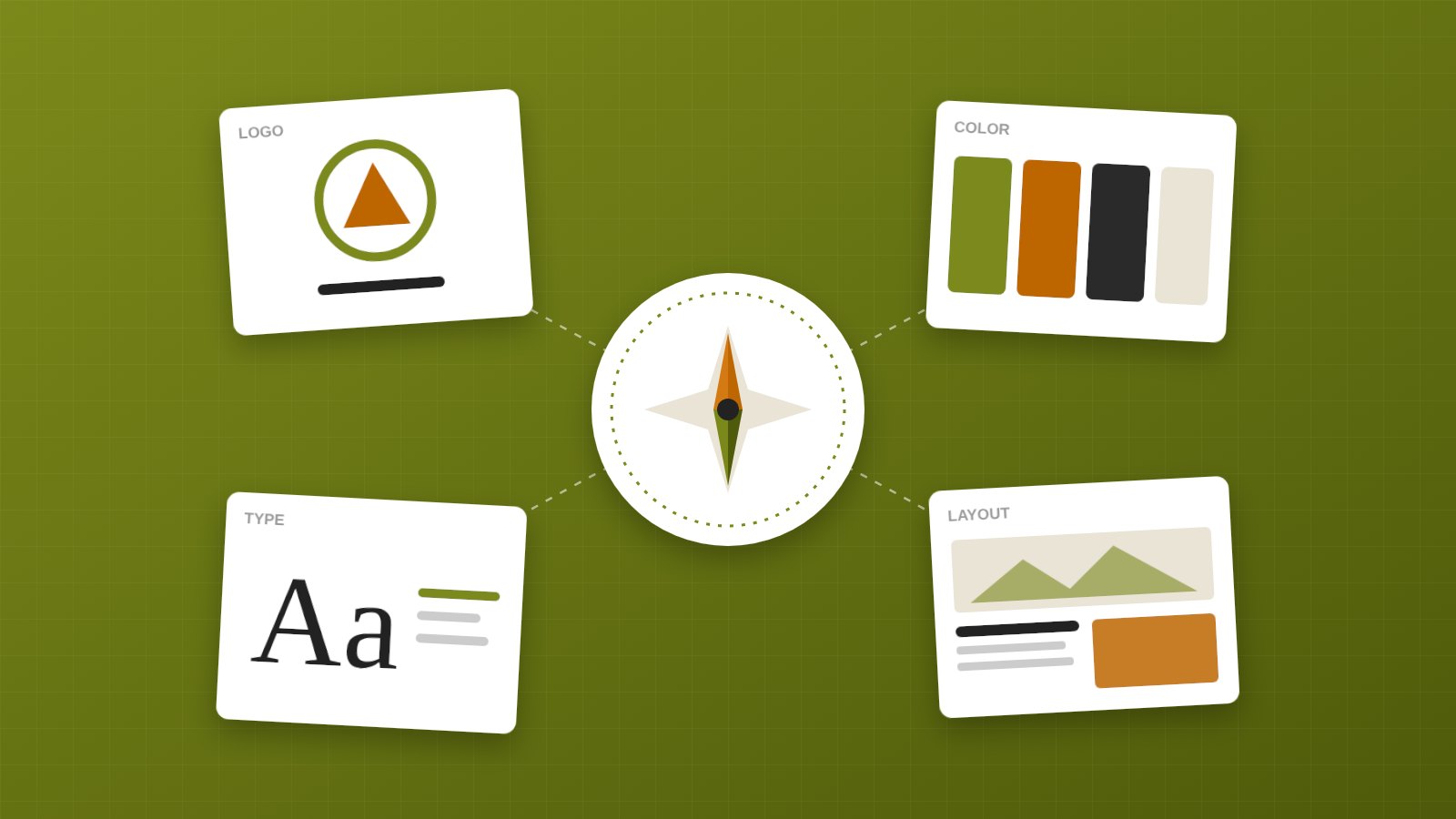
From Designer to Decision Maker
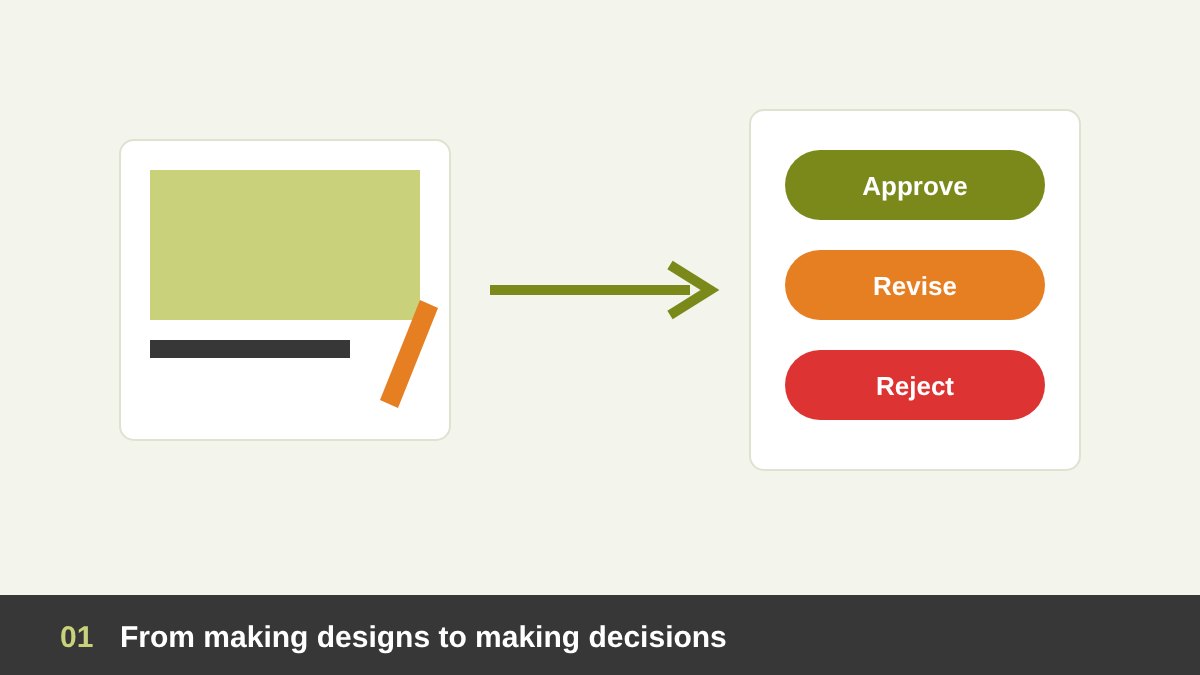
Being an art director is not about being the best designer in the room; it is about making the whole room design better. When I moved from designing every piece myself to leading a team, the first lesson I learned was that my job had shifted from making things to making decisions. An art director holds the creative vision of a brand or a campaign and makes sure that every logo, poster, screen and video speaks with one voice. The tools are the same Photoshop and Illustrator we all know, but the real work happens in conversations, sketches on paper and the questions we ask before anyone opens a file.
A Clear Brief and a Direction Board
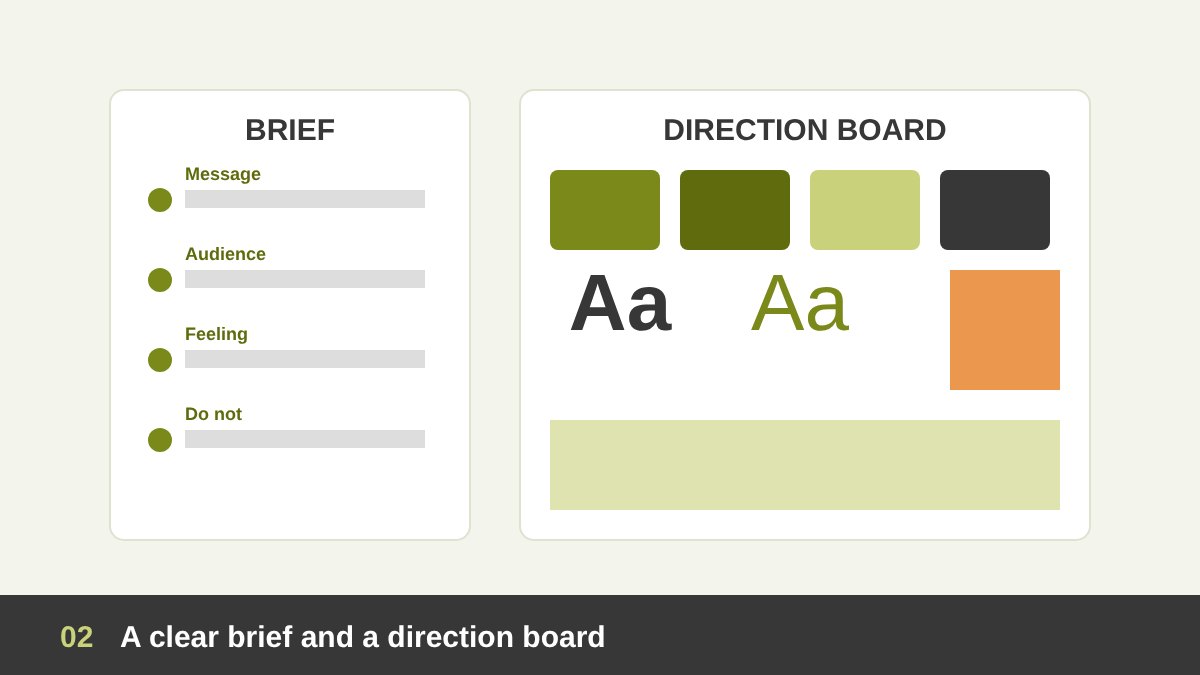
The heart of managing graphic design is a clear brief and a clear direction. A designer who knows the goal, the audience and the feeling we want to create will make better choices than one who is simply told to “make it pop.” Before any project starts, I build a simple direction board: the message in one sentence, a short color palette, two typefaces at most, a few reference images and the things we will not do. This board becomes the compass for the team. It saves hours of revisions, because every idea can be checked against it, and it gives designers the freedom to experiment inside a shape everyone understands.
Building the Right Team

A strong team is built, not hired. Every designer has a natural strength: one sees typography the way a musician hears rhythm, another is a master of illustration, a third thinks in systems and grids. Part of the art director’s job is to know these strengths and to put the right person on the right task, while pairing people so they learn from each other. When I led a small team of three designers, the biggest jump in quality did not come from new software; it came from letting each person own the part of the project they did best and then bringing those parts together under one direction.
A Process That Turns Talent into Results
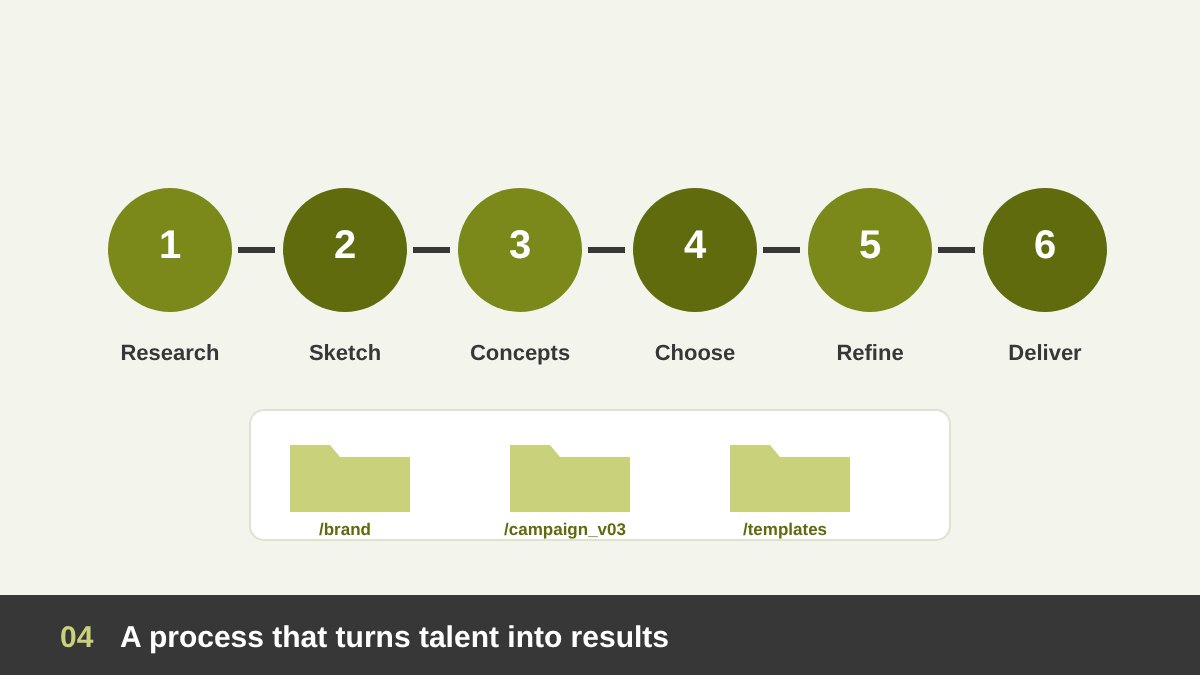
Process is what turns talent into reliable results. I split every project into clear stages: research and references, rough sketches, two or three concept directions, one chosen direction, refinement, and final delivery. Each stage ends with a short review, so we never discover at the last minute that the whole idea was wrong. Simple habits make a big difference too: one shared folder structure, clear file names with version numbers, master templates for repeated work, and a living brand guideline that everyone can open. Order in the files creates calm in the team, and calm teams make better design.
The Art of Feedback
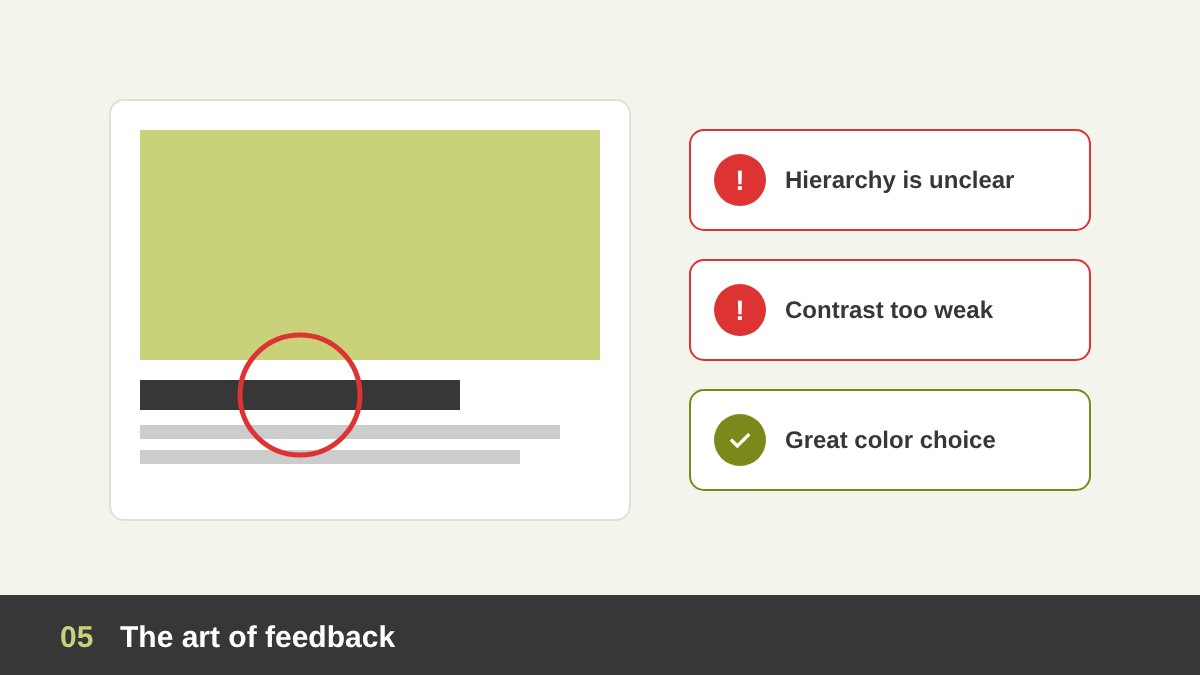
Feedback is where an art director earns their title. Good critique is specific, honest and always about the work, never the person. Instead of saying “I don’t like it,” I try to explain why: the hierarchy is unclear, the contrast is too weak, the logo is fighting with the headline. I also make sure designers hear what works, because people repeat what is praised. A healthy team needs a balance between protecting the brand standards and leaving space for each designer’s own voice; the best results I have seen came from designers who felt trusted enough to surprise me.
Protecting Creativity
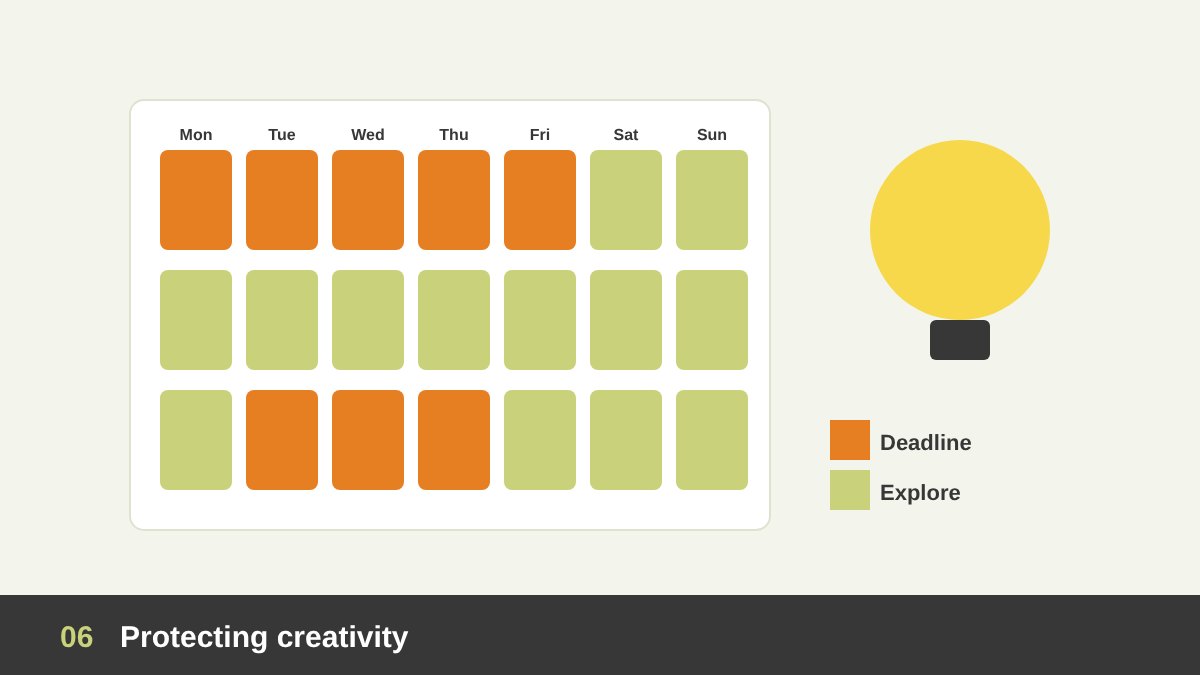
Managing creative people also means protecting their creativity. Designers burn out when every task is urgent and every idea is rejected without discussion. I try to keep a rhythm where intense deadline weeks are followed by lighter days for exploration, sketching or learning a new technique. Teaching has shown me that people grow fastest when they understand the reason behind a rule, so I explain the principles of composition, color and type behind my decisions instead of just giving orders. A designer who understands the why will one day be able to direct a project on their own, and that is the real success of a leader.
Between the Team and the Client
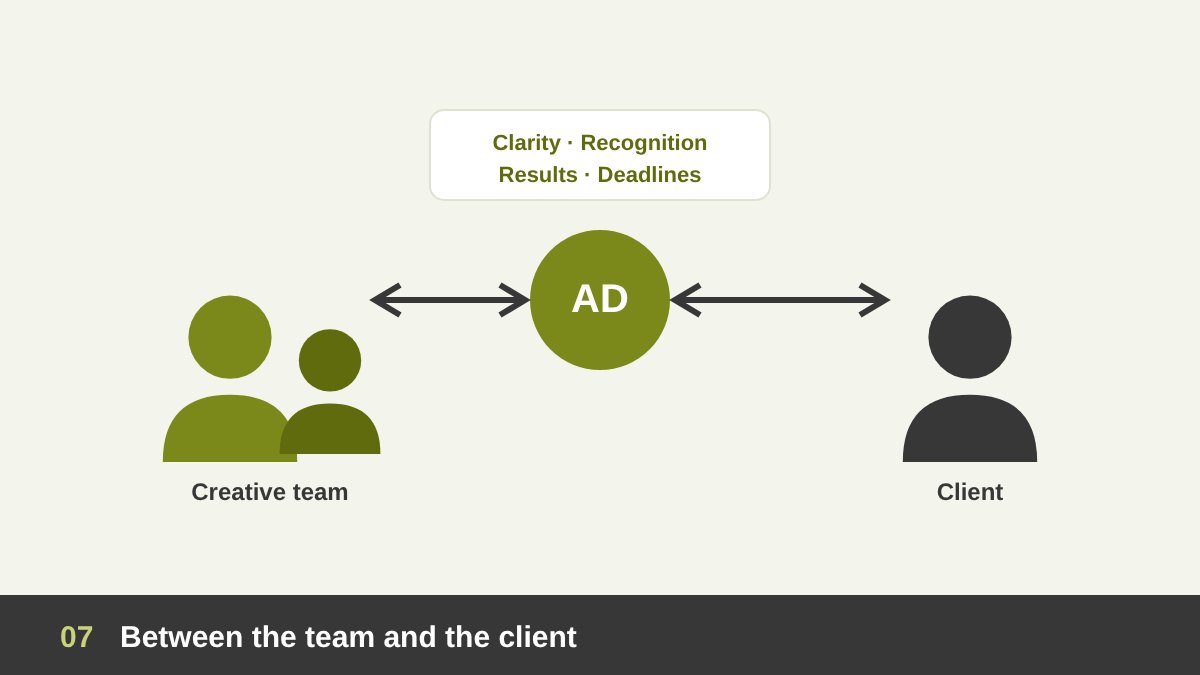
An art director also stands between the creative team and the client, and has to speak both languages. That means defending good ideas with reasons the client cares about, such as clarity, recognition and results, and accepting when a business need is more important than a personal taste. It means presenting work with a story, not just showing images, and guiding the client to give feedback on goals instead of on colors they happen to like that day. It also means managing time and energy: setting realistic deadlines, splitting big projects into stages and knowing when a design is finished.
New Tools, Same Judgment
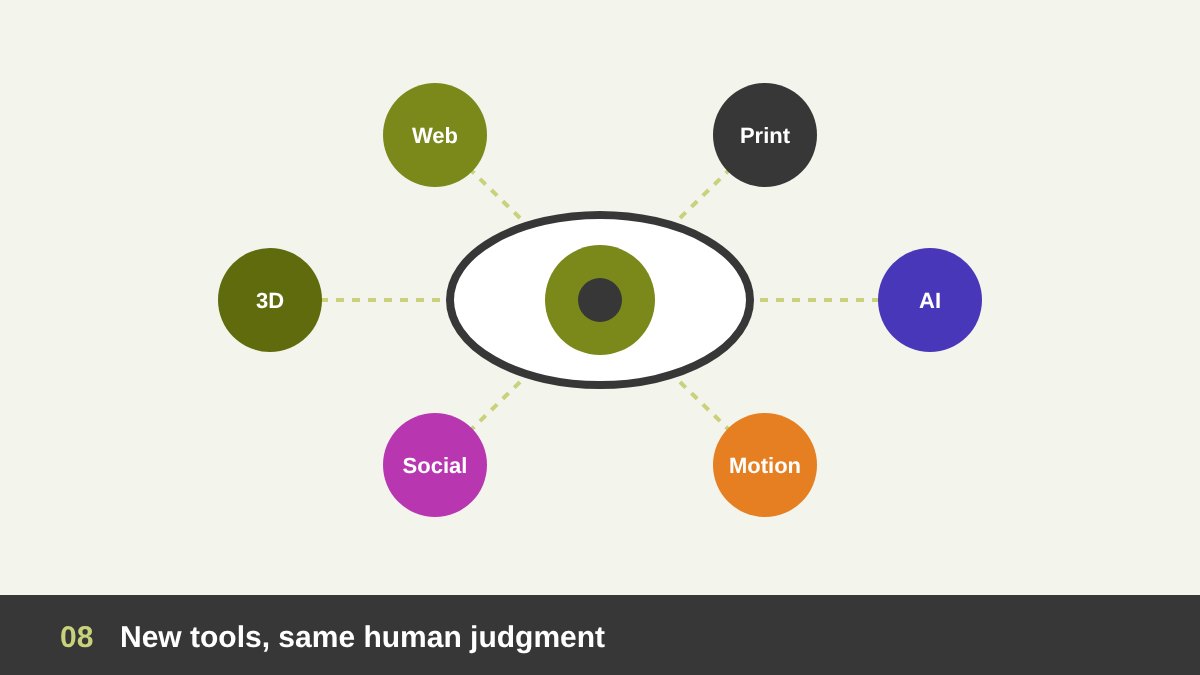
Finally, the role keeps changing with the tools. New software, motion design, social media formats and now AI image generation can produce more options faster than ever, but they cannot decide which option is right for the brand. That judgment is exactly what art direction is about. The art director of today must stay curious, test new tools with the team, and keep the human eye at the center of every decision. Art direction is a craft of balance between vision and practicality, freedom and discipline, art and business, and learning that balance is what turns a talented designer into a creative leader.